Function Hub · Sustainable Energy & Environment

SPIRE Lab

Scalable Photovoltaic Innovation for Renewable Energy

Yong Zhang Group  |  HKUST (Guangzhou)

Based in the Function Hub's Thrust of Sustainable Energy and Environment at The Hong Kong University of Science and Technology (Guangzhou), we carry out systematic research on metal halide perovskite photovoltaic materials and devices — from the aqueous synthesis of high-purity precursors, interfacial chemistry and crystallization kinetics, to scalable manufacturing of large-area modules, and on to closed-loop recycling of lead halide perovskites and AI-assisted R&D. We pursue a single goal: to bring perovskite solar cells truly out of the laboratory.

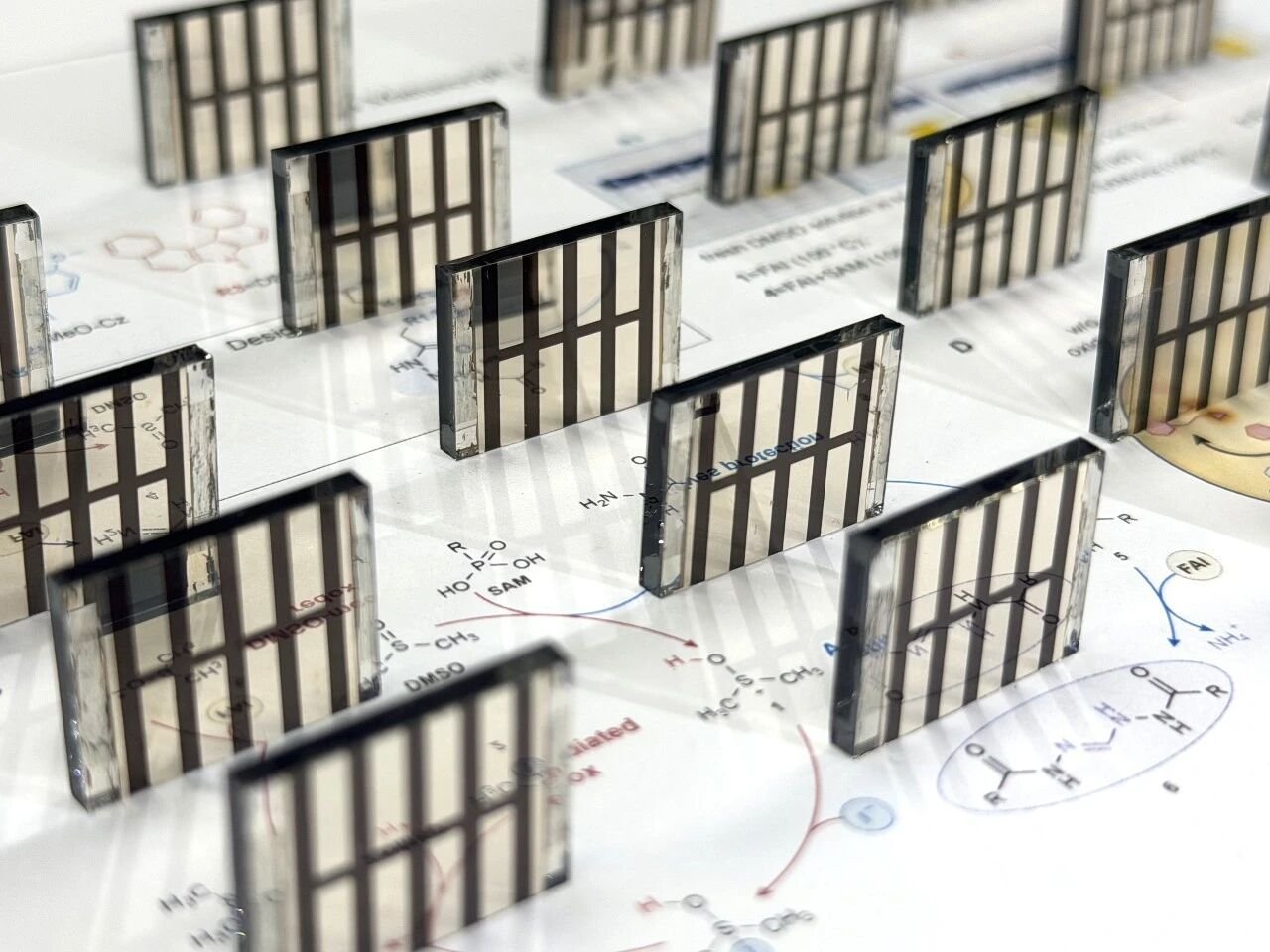
Semi-transparent perovskite devices laid over the chemical design scheme of the interfacial molecules
Inverted (p–i–n) perovskite devices, and the chemical design of the interfacial molecules behind them — Yong Zhang Group, HKUST(GZ)
80

SCI papers (as of 2026)

33

As (co-)first or corresponding author

6,093

Total citationsGoogle Scholar · as of Sep 2026

4

Papers in Nature / Science

News & Highlights

Latest news

From the interfacial chemistry at the moment of film formation, to precise crystal growth, to module-scale validation for industrial production — the group keeps making progress on the critical steps of perovskite photovoltaics.

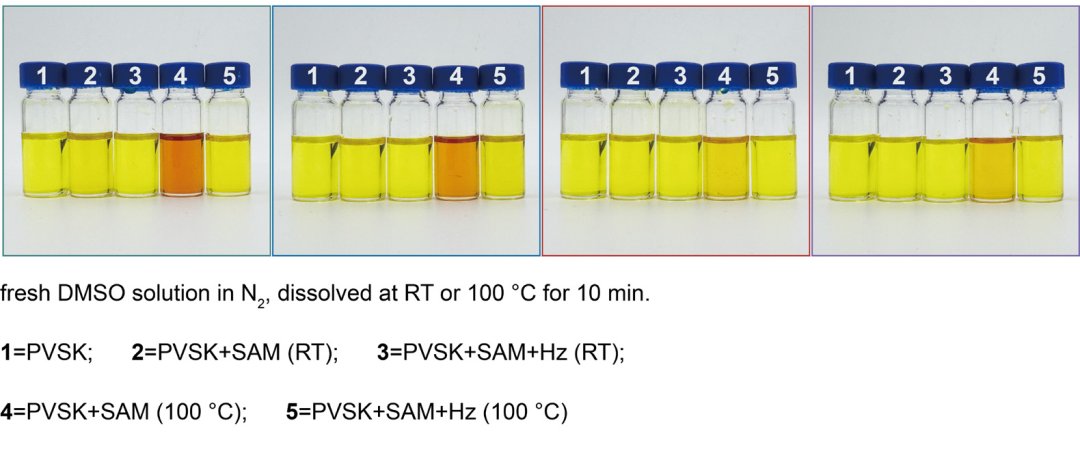
Science Colour change of SAM and perovskite precursor solutions in a control experiment

20 August 2026 · Science

The "birth defect" of perovskite solar cells: redirecting wet-interfacial redox pathways

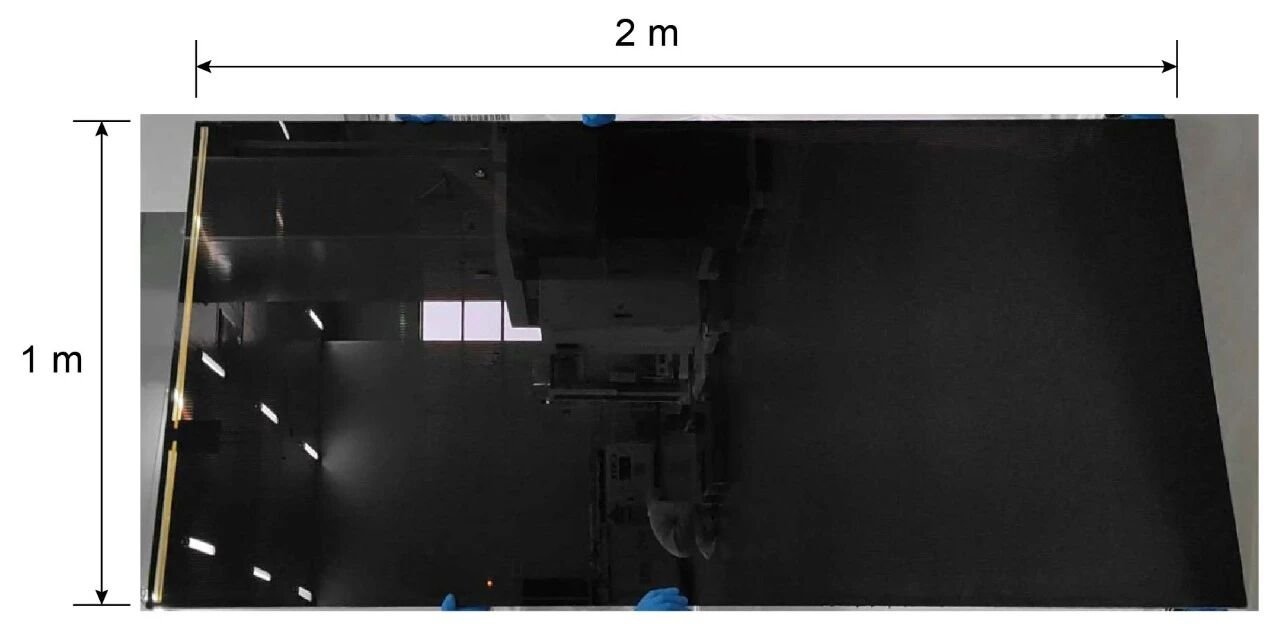
The study reveals for the first time that wet-interfacial redox reactions triggered by self-assembled monolayers (SAMs) are a bottleneck for both device performance and scale-up, and uses chemically matched hydrazide additives to redirect the reaction pathway — reaching 27.7% cell efficiency and 20.1% efficiency for a 1 m × 2 m module.

Read the story
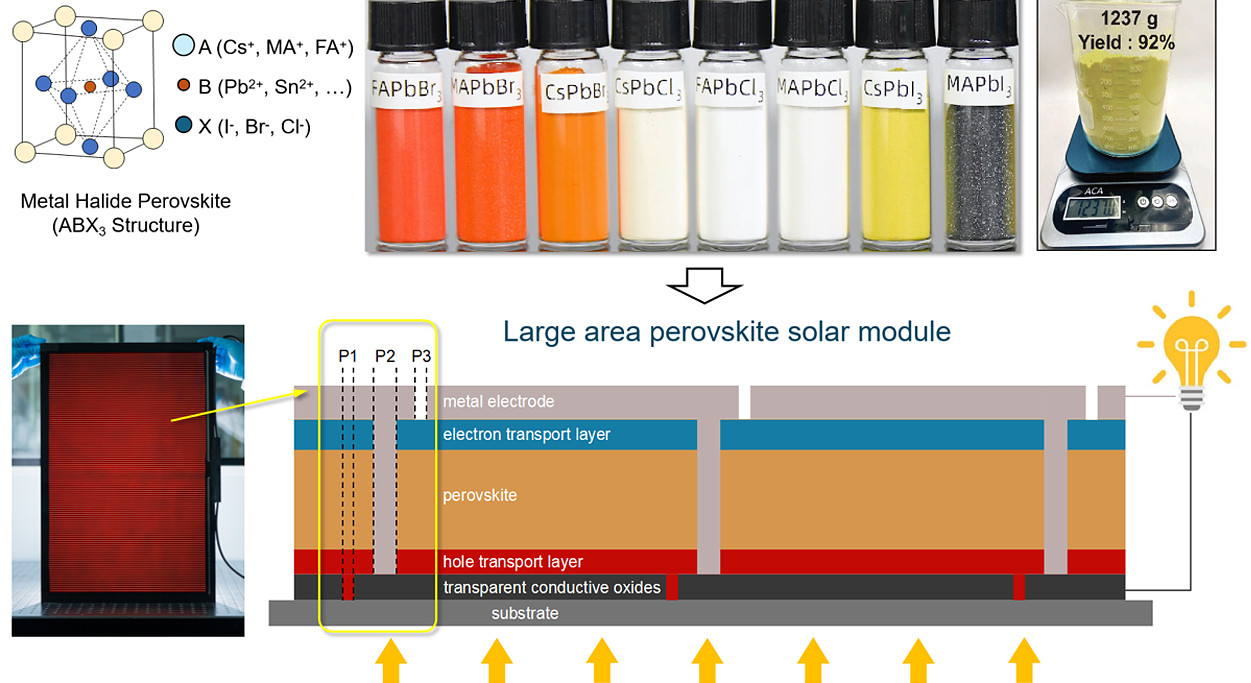

Science Scalable perovskite precursors synthesised in water, and the large-area module made from them

2024 · Science 383, 524–531

Aqueous synthesis of high-purity perovskite precursors

A completely new route that uses water as the solvent to synthesize perovskite precursors, overcoming the cost and purity limits of conventional organic-solvent routes and providing a key materials foundation for efficient, low-cost and scalable perovskite photovoltaic manufacturing.

Learn more
Group Group meeting discussion

Rolling intake

PhD, postdoc and research assistant openings — Fall 2026 / Spring 2027

The group recruits PhD students, postdoctoral fellows and research assistants with backgrounds in materials, physics, chemistry or electronics on an ongoing basis, offering a first-class research platform, ample funding and an open academic atmosphere.

View openings

01 — Research

Five interlocking research directions

Following the full chain of molecule → interface → crystal → device → recycling, we connect materials chemistry with device physics, so that every interfacial design translates into device performance that can be scaled up.

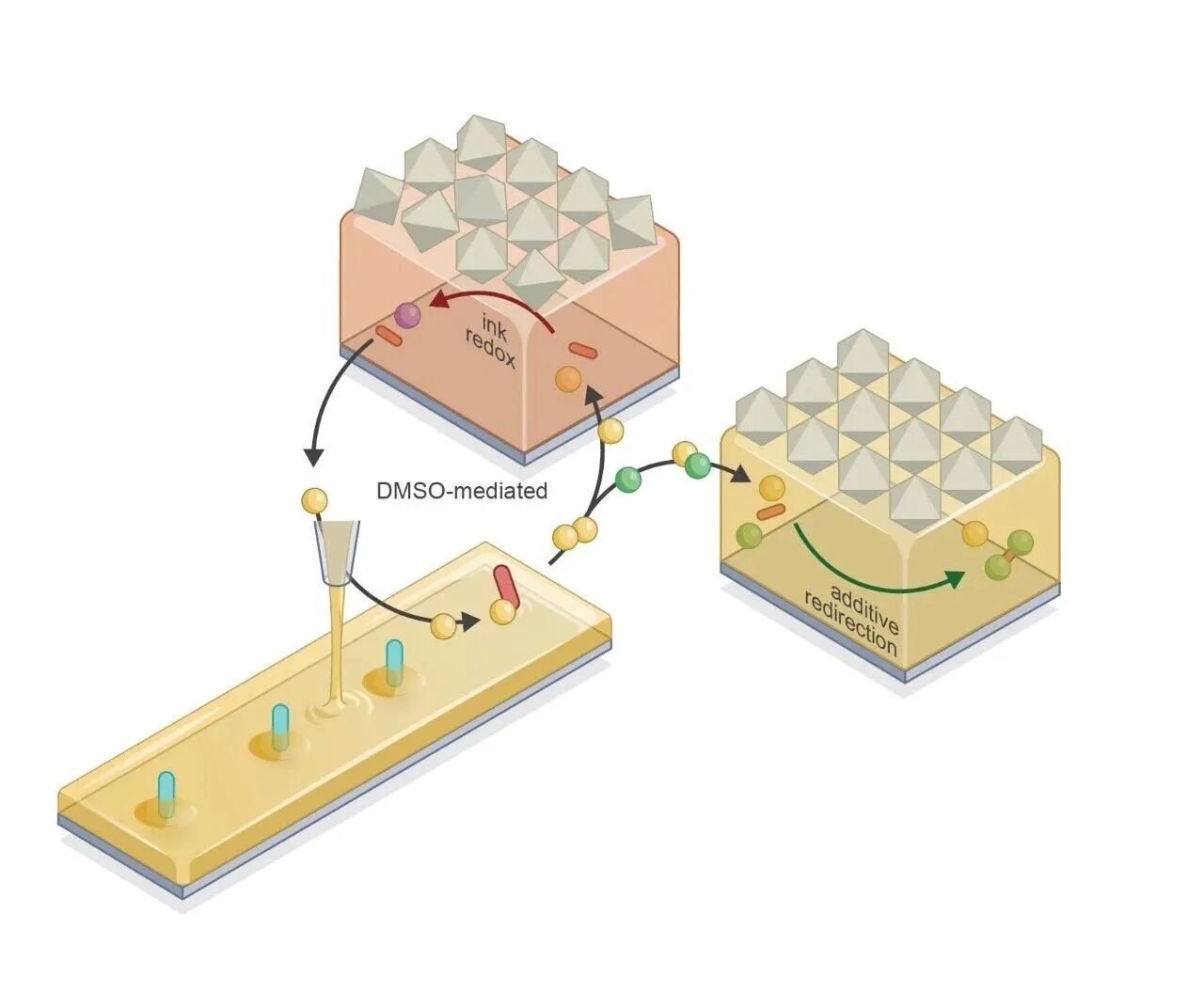
Mechanism of wet-interfacial redox and additive redirection
"Ink redox" during perovskite film formation and the additive redirection mechanism.
01

Novel Photoactive MaterialsMolecules & polymers

Functional molecular and polymeric materials for perovskite photovoltaics: self-assembled monolayers (SAMs), conjugated additives, long-range-ordered π–π stacking molecules, and interfacial passivation and transport materials.

02

Perovskite Photovoltaic Devicesp–i–n cells & modules

Design of inverted (p–i–n) device architectures, buried and top interface engineering, control of crystallization kinetics, stability mechanisms, and scale-up processes for large-area modules.

03

High-Purity Precursors & MicrocrystalsAqueous synthesis

Aqueous synthesis routes, precise synthesis and compositional control of perovskite microcrystals, batch-to-batch consistency and impurity control — securing device reproducibility at the source.

04

Lead Halide Perovskite RecyclingClosed-loop recovery

Closed-loop recovery of lead, valorization of solvents and functional materials, and greener perovskite fabrication — responding to the environmental question facing photovoltaic technology.

05

AI for Perovskite PhotovoltaicsData-driven R&D

Data-driven formulation and process optimization, high-throughput experimental screening, and machine-learning-assisted device R&D — turning trial-and-error into navigation.

Featured Work · Science 2026

Finding the "birth defect" of perovskite solar cells in a beaker of discoloured solution

"To become a scientist, you must first become an artist." — Yong Zhang, on the details that research tends to overlook

Locating the problem at the moment of film formation

Earlier work focused largely on ageing while devices operate; this study moves the lens forward to the wet interface before the film crystallizes, clarifying the long-unresolved dynamic chemistry between SAMs and perovskite precursors.

Mechanism: protons activate DMSO and accelerate iodine oxidation

Free protons derived from the SAM activate dimethyl sulfoxide in the precursor and accelerate the oxidation of iodide. The resulting reactive iodine species and solvent adducts are trapped in the film during crystallization, causing lattice distortion, more defects and enhanced non-radiative recombination at the buried interface.

Strategy: a conjugated hydrazide steers the reaction back on track

A conjugated hydrazide additive (Hz) with a chemically matched structure captures free protons to block the destructive oxidation pathway, while redirecting the reaction towards a stable hydrazide–formamidinium (Hz–FA) complex and improving interfacial hole extraction.

A new design principle for interfacial materials

When designing an interfacial material, it is not enough to ask whether it conducts well — you must also consider its "chemical compatibility" with the raw materials used in production. The principle extends to any device interface that involves heterogeneous chemical contact.

1 m × 2 m perovskite solar module
Production-scale 1 m × 2 m (2.0 m² active area) perovskite module with a power conversion efficiency of 20.1%.
Precursor solution control experiments under different conditions
Precursor solution control experiments: the effect of SAM and Hz on solution stability.
Schematic of the side-reaction pathway
The unchecked side-reaction chain: acidic species released → solvent activated → iodide oxidized → film degraded.

02 — Publications

Selected publications

33 papers as (co-)first or corresponding author, in journals including Nature, Science, Nature Materials, Nature Energy and Nature Synthesis.

03 — Principal Investigator

Principal Investigator

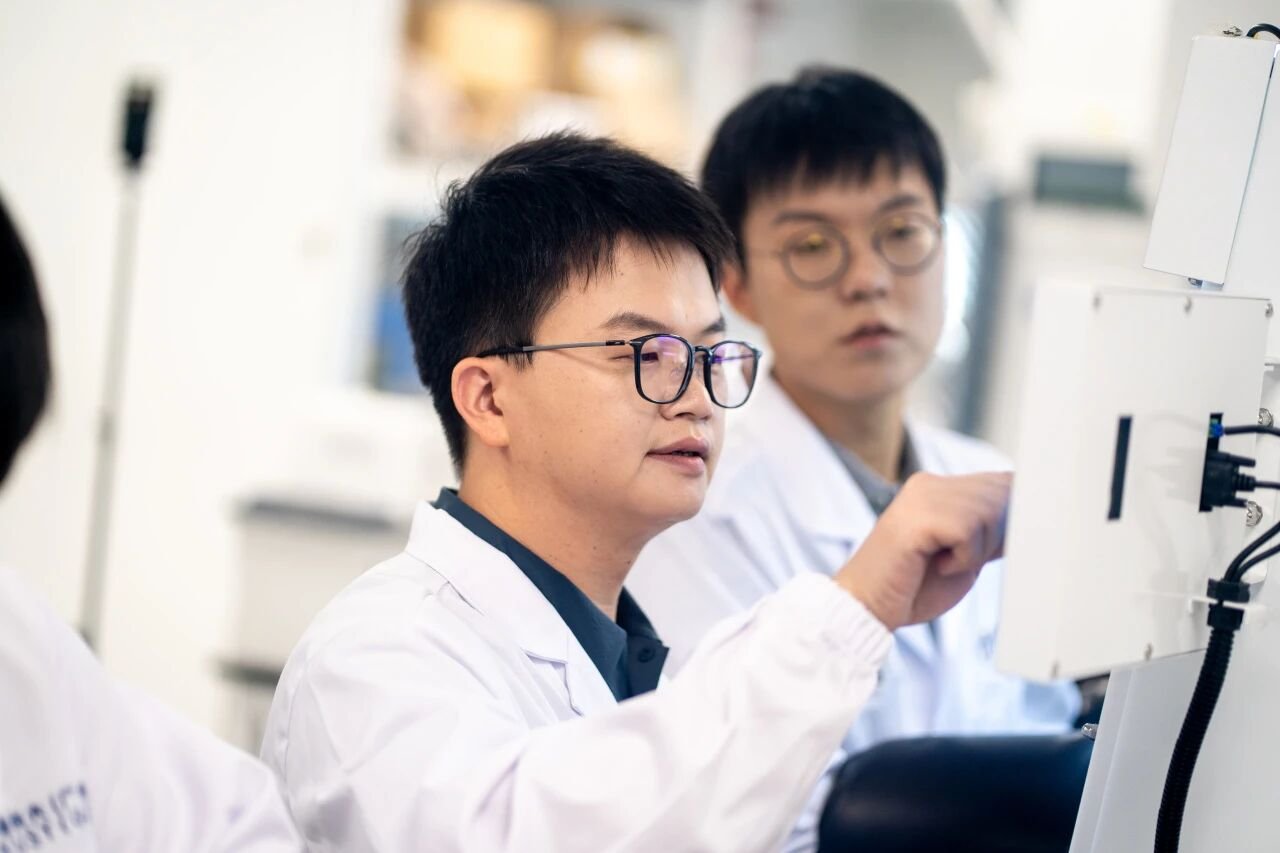
Prof. Yong Zhang in the laboratory

Yong ZHANG

Assistant Professor · Ph.D. Supervisor | Thrust of Sustainable Energy and Environment · Function Hub

Dr Yong Zhang is an Assistant Professor in the Thrust of Sustainable Energy and Environment, Function Hub, at The Hong Kong University of Science and Technology (Guangzhou), where he leads an independent research group. He received his Ph.D. in Chemical Engineering from Sungkyunkwan University in 2020, working with Prof. Nam-Gyu Park, a founding scholar in the field of perovskite photovoltaics. He then joined the Southern University of Science and Technology (SUSTech), where he served as a Presidential Postdoctoral Fellow and then a Research Assistant Professor, before formally joining HKUST (Guangzhou) in February 2025.

His research focuses on photovoltaic materials and devices based on metal halide perovskites, with core directions including the design of novel photoactive materials, high-purity precursor synthesis, interface engineering and stability optimization of solar cells, lead halide perovskite recycling, and AI-assisted photovoltaic R&D. He has achieved a series of results in low-cost, high-efficiency and long-lifetime perovskite solar cells.

2021 National Award for Outstanding Self-financed Students Abroad
Shenzhen Overseas High-level Talent (Category B)
SUSTech Presidential Postdoctoral Fellow
Young Editorial Board eScience / Energy Materials / Energy Z
Meet the team & full CV

04 — Team

Our team

The group currently has 12 active members and 4 alumni, with backgrounds spanning materials, chemistry, physics and devices.

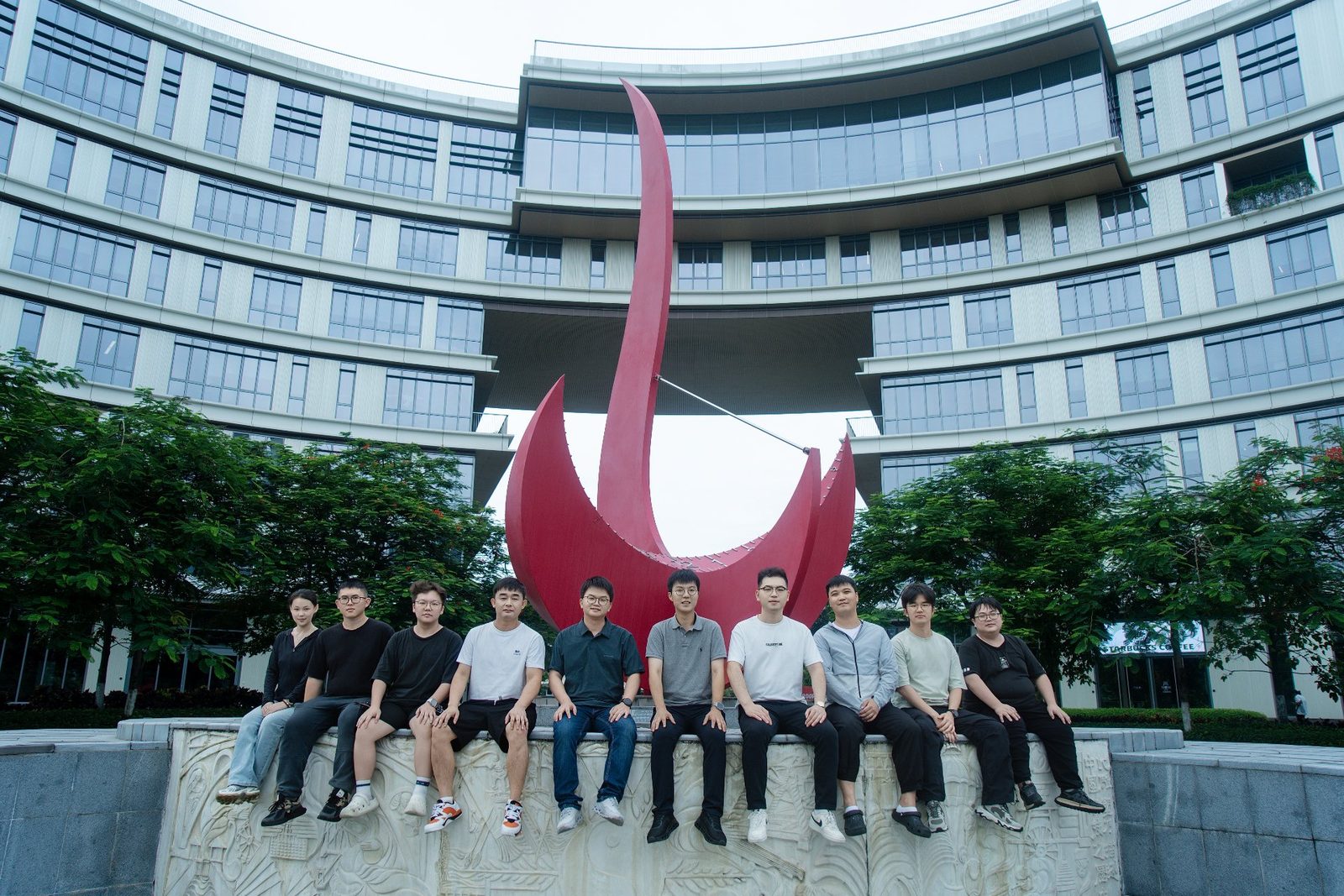
SPIRE Lab members on the Red Bird sundial plaza at HKUST (Guangzhou)
SPIRE Lab · HKUST (Guangzhou) campus — our members come from materials, chemistry, physics and device backgrounds.

2

Postdocs

2

Ph.D. Students

1

MPhil Students

1

Undergraduates

4

Research Assistants

2

Visiting Students

View all members

Join us in bringing perovskite photovoltaics to industry

The group recruits PhD students, postdoctoral fellows and research assistants on an ongoing basis, and welcomes collaboration from inside and outside the university. If you are interested in materials chemistry, device physics or AI-assisted R&D, please get in touch.